
Anthropic
Top 100
Funding
Raised a $65B round on May 28, 2026, bringing the total raised amount to $132B.
Returns Calculator
A $10,000 investment at Series A round (2021) would today be worth:
$17,545,455
1,755×the original amount
Illustrative · based on reported post-money valuations
Top posts
Gavin Baker
@GavinSBaker
Market is overreacting to hyperscale credit spreads widening from my perspective. TL;DR Spot pricing for renting GPU compute materially above contracted rates implies hyperscalers are underearning while operating cash flow acceleration is an underestimated source of funds for AI capex. The fact that spot prices for GPU rentals are at least 2x higher than contracted rates is the missing piece from the discussion about hyperscaler credit, which is the only fundamental factor behind this selloff. Multiple private companies are planning on spending at least 2x more per GPU for compute as contracts roll-off and some have spoken about this publicly. As contracts roll-off, hyperscale growth rates are going to continue to accelerate as their installed bases of compute reprice higher. Hyperscale operating cash flow growth using a mix of estimates and actuals is modeled to accelerate from 31% in the first quarter of 2026 to 50% in the second quarter. This acceleration should continue for the rest of the year and this is not in estimates which incorrectly model a deceleration in the third quarter from my perspective. Some math. Consensus estimates are probably for 25-35 gigawatts added by hyperscale and neoclouds in CY28 (using a range as standing up datacenters is hard and a lot of the neos plus labs are still private). At 60b per gigawatt, that is 1.5 to 2.2 trillion in capex. Consensus estimates for hyperscale/neo operating cash flow is 1.3 to 1.4 trillion. I think this gets revised up materially as contracts reprice and growth accelerates so the 100b to 700b that would hypothetically need to be plugged by debt goes away. And their credit profiles materially improve. Not to mention the said 100b to 700b would be less than 1 turn of incremental leverage on consensus EBITDA estimates. And obviously the Nvidia and Broadcom “credit wrappers” help improve creditworthiness as well given their FCF profiles. OpenAI, Cursor/Grok and the various Open Source inference clouds have accelerated materially over the last two months per public data and Anthropic continues to grow insanely fast while likely generating FCF. This - along with the fact that spot prices for GPU rentals are so far ahead of contract - are the missing pieces from the BofA chart on hyperscale FCF vs. semiconductor FCF. Hyperscalers are underearning and anyone who signed a contract for GPU compute in 2024 and 2025 is overearning. Operating cash flow will be enough to fund capex but as contracts reprice and cloud growth continues to accelerate then spreads likely come in as well. Would also note that CDS markets are easy to manipulate - was a huge feature of the GFC - short the stock and then buy the CDS. So I would not put attach much signal to CDS. Net, net I’m not that concerned about the widening spreads in hyperscale credit. The real risk is that bringing power online and energizing all these GPUs is really hard but we are getting better at this every day.
David Sacks
@DavidSacks
Anthropic maintains that it is entitled to train for free on all the world’s output, even if the author objects. But if a competitor trains on Anthropic’s output after paying for it, that is IP theft. The hypocrisy is breathtaking.
Ole Lehmann
@itsolelehmann
btw anthropic's internal document on this literally said "we don't want it to be known that we are working on this.” it was called project panama. here's exactly what happened: 1: anthropic concluded that books were the cheapest way to build a world-class model because they gave claude curated facts, structured arguments, compelling stories, and writing “an editor would approve of.” 2: once anthropic decided it needed books at enormous scale, its first solution was piracy. it downloaded 7m+ books from online libraries including libgen. the judge later wrote that although anthropic had legal ways to buy them, it chose piracy to avoid what dario amodei called the “legal/practice/business slog.” 3: that piracy created a massive legal risk. so in february 2024, anthropic hired tom turvey, the former head of partnerships for google books, to find a legally safer way of obtaining “all the books in the world.” 4: turvey first contacted major publishers about licensing their catalogs. those attempts didn’t produce agreements, so anthropic chose a route that required no publisher permission: buying millions of physical books through distributors and used-book retailers. 5: within about a year, anthropic spent tens of millions acquiring and scanning millions of books, including many rare and 1/1 titles. one vendor proposal targeted 500,000 to 2 million books in six months. 6: to scan that many books within months, the vendors physically dismantled them. a hydraulic cutter removed each spine. the pages were trimmed to size, fed as loose sheets through high-speed industrial scanners, and converted into searchable PDFs. the paper remains were then sent for recycling. 7: these PDFs were fed into claude as training data. the complete collection became a private, searchable anthropic library that the company planned to “store forever.” the scans aren’t available to the public and were never open-sourced.
Brian Roemmele
@BrianRoemmele
The Robber Barons Built Cathedrals of Knowledge. Anthropic Built a Shredder. History remembers the robber barons with a peculiar mixture of contempt and reluctant gratitude. They crushed competitors, broke unions, polluted rivers, and extracted fortunes that would make modern billionaires blush. Yet Andrew Carnegie, the most ruthless of them in steel, spent the final decades of his life doing something almost unrecognizable in today’s technology culture: he built public libraries. Nearly 2,500 of them. One thousand six hundred eighty-one in the United States alone. He poured the equivalent of well over a billion dollars in today’s money into brick, mortar, oak shelves, and free books so that any working man or woman could walk through the door and claim a share of human knowledge. Carnegie did not do this out of soft-hearted liberalism. He believed that the free library was the single highest form of philanthropy because it equipped people to lift themselves. The buildings still stand. The books still circulate. The knowledge was not merely copied into some private vault; it was made permanently available to the public as a shared inheritance. Now look at Anthropic. In early 2024 the company launched an internal effort it code-named Project Panama. An unsealed planning document put the ambition in language so stark it reads like a confession: “Project Panama is our effort to destructively scan all the books in the world.” The same document warned employees, “We don’t want it to be known that we are working on this.” I caution you… what you read may get you mad. Ready? Read on below…
elvis
@omarsar0
After a few more hours, I think I've figured out Opus 5. Opus 5 is trained to be more agentic than anything I've used. All Claude 5 models are like that. So what changes? The way to interact with Opus 5 or contextualize it won't work the same way as with other models. It loves exploring, so it doesn't need much guidance for it. Unique preferences, artifacts, and references compliment it well and enable cleaner and more effective exploration and execution. Now that it can explore more effectively on its own and understand intent better, the best thing to do is to get out of its way (e.g., it doesn't need examples of your preferences; a clear high-level description of it works best). It's truly agentic in that sense. A good first step to provide better context for Opus 5 is to distinguish between what's situational and what needs persistence. Regardless, persistent system prompts and CLAUDE.MD needs to stay lightweight. Remove memories and tool descriptions from these. CLAUDE.MD is also a great place to tap into progressive disclosure by linking command/skills to it. On the situational side, agent skills and auto-memory can leverage progressive disclosure and the improved ability of the model to use its external context/knowledge. Conflicting and unnecessary instructions, which are common at this layer (mainly to ensure reliability), are going to throw off this model easily. That's the biggest change I had to make. Simple, clean, and clear prompts and skills work best. I had to clean a lot of my skills and system prompts. The way I prompt remains the same (usually clear and well-scoped). MCP tool descriptions are also more descriptive and have been deduped from the system prompt. Anthropic released a guide on the new rules for context engineering, which was helpful here. I started to test the recommendations and created a little artifact with the things that worked along the way. This might feel like a lot of work. Believe me, it has been frustrating. But I think we can expect future frontier models to become more agentic and smarter at figuring out the right context/gaps. The best thing to do is to prepare for that now. @bcherny mentioned that Opus 5 is their least prompt-injectable model yet. I am not sure if that was something they intentionally trained for or if it emerged based on how it was trained, which is to be extremely agentic in nature and more direct in execution.
Dwarkesh Patel
@dwarkesh_sp
By the way, the fact that Ant revenue has been 10x-ing year over year, while compute has only been 3x-ing, suggests that there are very strong economies of scale in the model business. Logically this makes sense - when you train a model, you pay this one time cost of learning all these different skills that you can then amortize across all your users. (Unlike with human labor, where each instance has to be retrained from scratch). I wish we didn't live in a world with such strong economies of scale of intelligence (because I'm worried about power concentration). But it seems we do.
Hiring Signal
Based on public job postings · updated monthly
Latest news


Public companies tied to Anthropic

About Anthropic
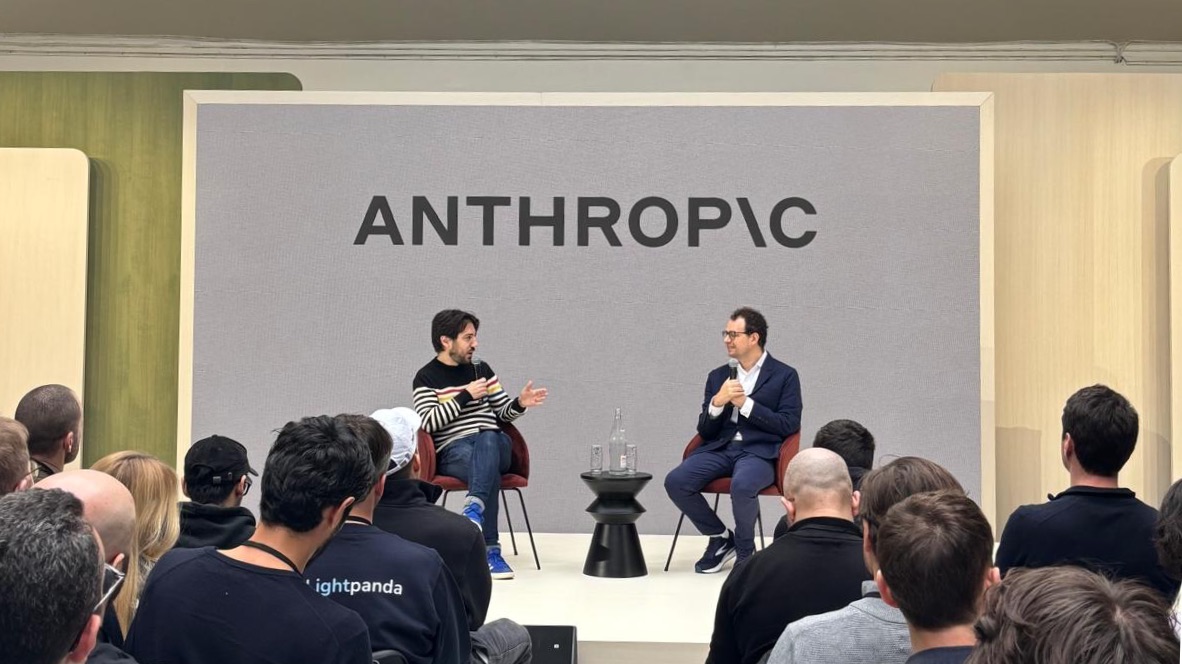
Anthropic is an American AI safety company and the maker of the Claude family of large language models, founded in 2021 by former OpenAI leaders. It filed confidentially for an IPO on June 1, 2026.
Anthropic on video
 5:15:00
Dario Amodei: Anthropic CEO on Claude, AGI & the Future of AI
Lex Fridman · Interview
 1:58:44
Dario Amodei — The hidden pattern behind every AI breakthrough
Dwarkesh Patel · Interview
 1:10:04
Inside the Mind of Anthropic CEO Dario Amodei | The Circuit
Bloomberg Originals · Feature
 1:03:04
A Cheeky Pint with Anthropic CEO Dario Amodei
Stripe · Interview
 25:25
25:25Anthropic's Amodei on AI: Power and Risk
Bloomberg Live · Interview
Founders
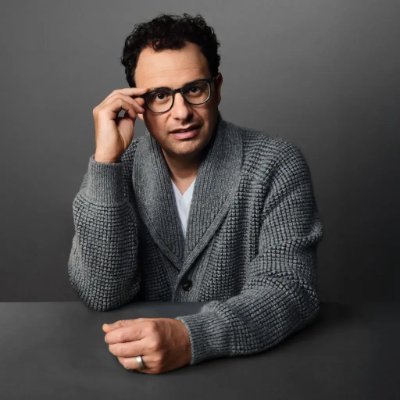
Dario Amodei
Co-founder & CEO
CEO of Anthropic; former VP of research at OpenAI.
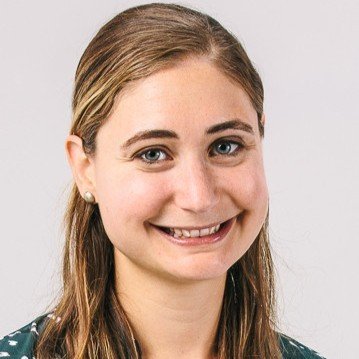
Daniela Amodei
Co-founder & President
President of Anthropic; former VP of safety & policy at OpenAI.
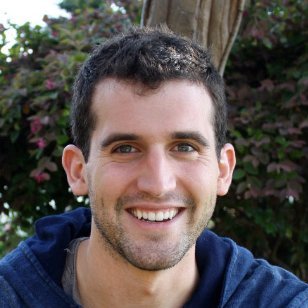
Tom Brown
Co-founder
Lead author of the GPT-3 paper; leads pretraining at Anthropic.

Jared Kaplan
Co-founder & Chief Science Officer
Theoretical physicist (Johns Hopkins); co-author of neural scaling laws.

Jack Clark
Co-founder & Head of Policy
Former policy director at OpenAI; writes the Import AI newsletter.

Sam McCandlish
Co-founder & Chief Architect
Physicist; scaling-laws researcher, now Chief Architect at Anthropic.

Chris Olah
Co-founder
Neural-network interpretability researcher (mechanistic interpretability).
Key leaders
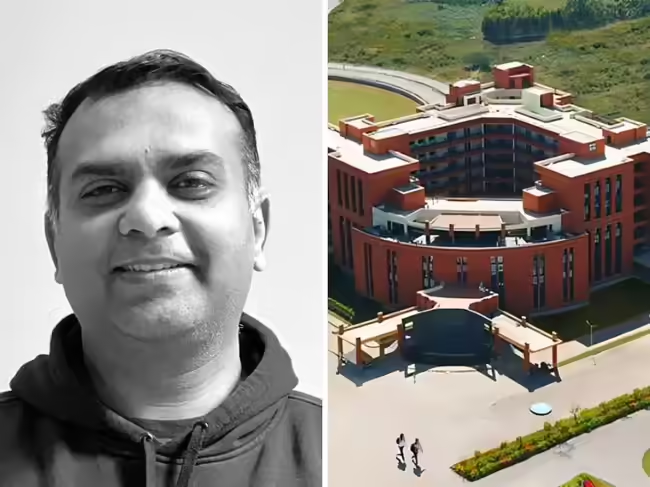
Rahul Patil
Chief Technology Officer
Former Stripe CTO; now leads Anthropic’s technology and engineering strategy.
Ami Vora
Chief Product Officer
Former Meta/Facebook VP of Product; now oversees Anthropic’s product organization and Claude-powered experiences.
Krishna Rao
Chief Financial Officer
Former Airbnb finance leader; now manages Anthropic’s financial strategy as its first CFO.
Paul Smith
Chief Commercial Officer
Former Salesforce and ServiceNow executive; now drives global go‑to‑market as Anthropic’s first CCO.
Chris Ciauri
Managing Director of International
Former Google Cloud senior leader; now leads Anthropic’s international business expansion.
Eric Boyd
Head of Infrastructure
Former Microsoft President of AI Platform; now oversees Anthropic’s infrastructure organization.
Recent hires
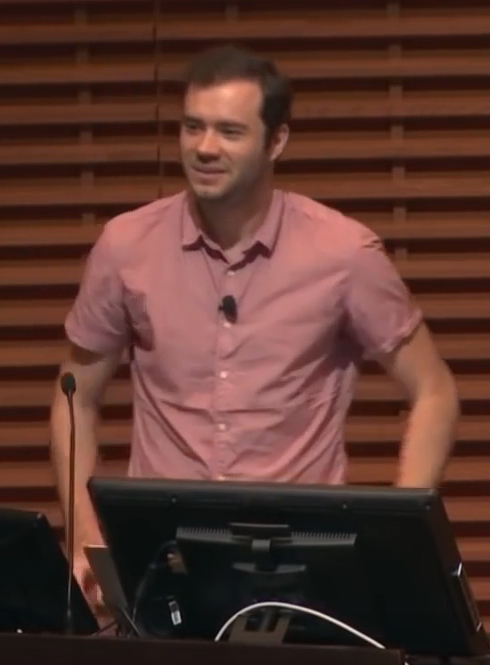
Andrej Karpathy
Member of the Pre‑training Team
Previously at Eureka Labs
Joined May 2026

John Jumper
Research Scientist
Previously at Google DeepMind
Joined Jun 2026
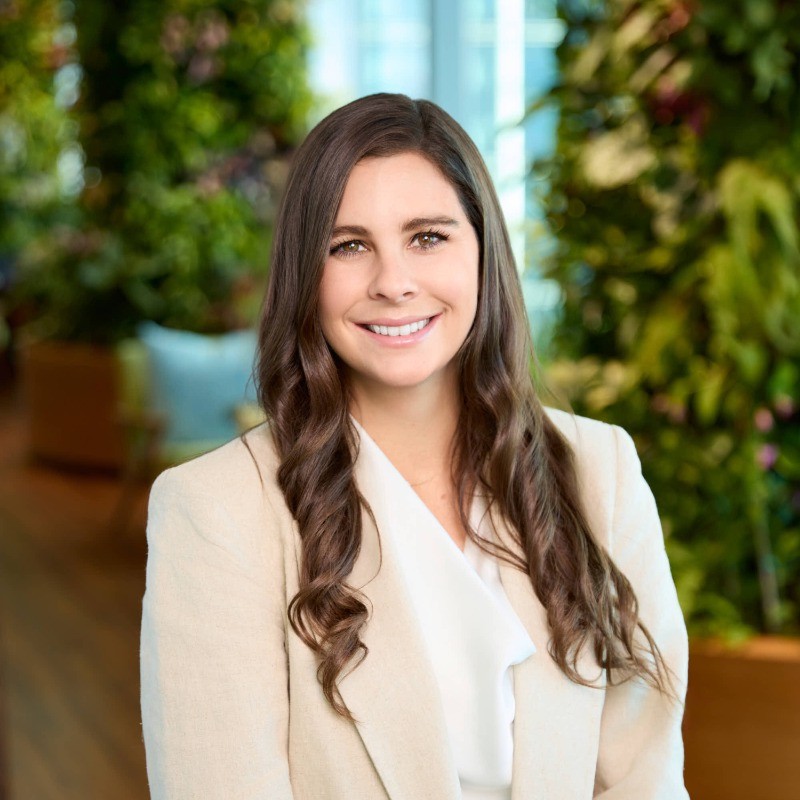
Mallory Pittinger
Applied AI Leader
Previously at Salesforce · United States
Joined Jun 2026
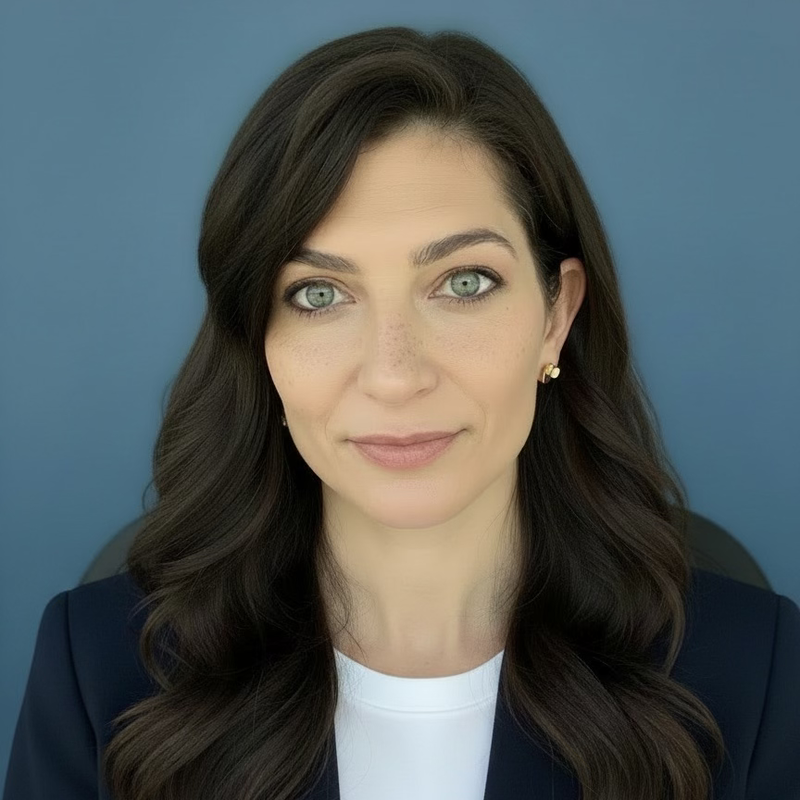
Natalie Wolf
GTM Leadership
Previously at Innovius Capital · United States
Joined May 2026
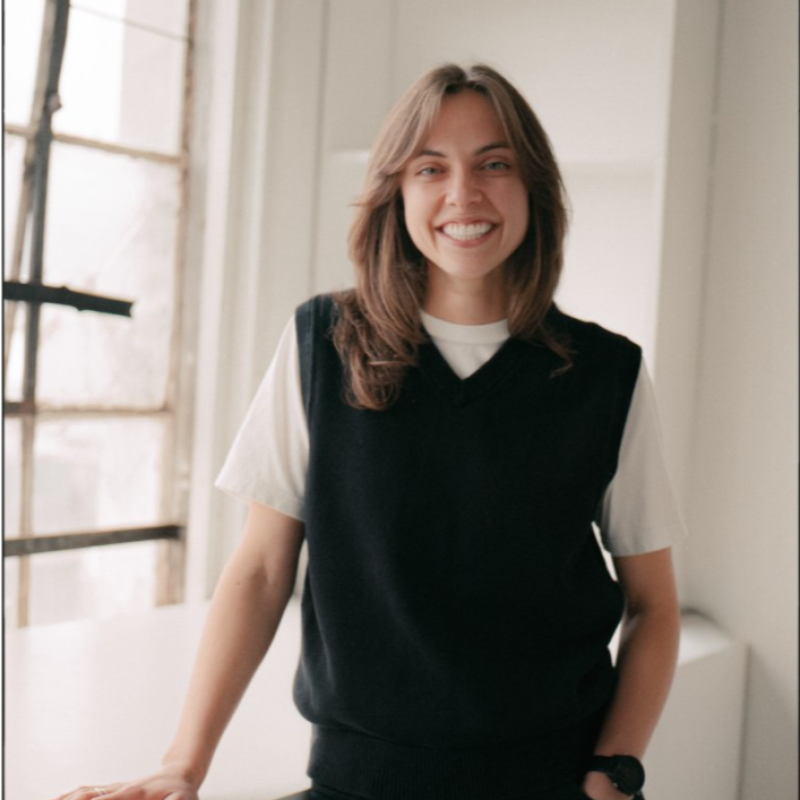
Daniela Hurtado
GTM Leadership
Previously at Stainless · New York, New York, United States
Joined May 2026
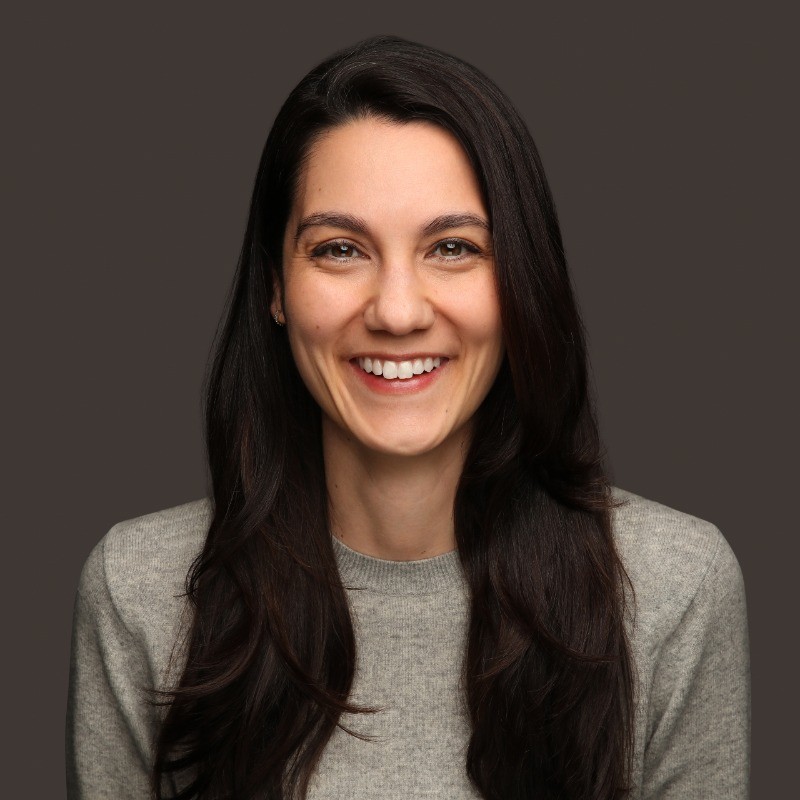
Emily McCleave
Services Partnerships, UKI & Northern Europe
Previously at Square · Greater London, England, United Kingdom
Joined May 2026