Isomorphic Labs
Top 100
Illustrative curve — no price history on file for this company.
Funding
Raised a $2B round on May 12, 2026, bringing the total raised amount to $3B.
Top posts
Rohan Paul
@rohanpaul_ai
AI companies are piling into biotech because biology is one of the few markets where better prediction can directly compound into enormous economic value. The economics alone explain the urgency: Deloitte estimates the average cost to take an asset from discovery to launch at about $2.23 billion in 2024, which means even modest gains in hit-finding, trial design, or regulatory workflow are worth real money. Biology also fits the machinery of modern AI unusually well, because it is built from sequences, structures, images, papers, assays, and clinical records that can be encoded, searched, and modeled at scale. AlphaFold made that tangible by expanding structural knowledge from a scarce experimental resource into a database covering roughly 200 million proteins, which is exactly the kind of information compression investors notice. Then the capital followed: Isomorphic Labs raised $600 million, Nvidia invested in Recursion, Sanofi partnered with OpenAI and Formation Bio, and Lilly just expanded its Insilico collaboration to a deal worth up to $2.75 billion. Biotech is not attractive because language models can write elegant summaries of papers, but because biology offers something most AI markets do not: expensive decisions, abundant data, and hard external feedback from the lab, the clinic, and the regulator. That feedback loop is why this vertical matters so much. A chatbot can sound right and still be useless, but a drug model eventually faces binding data, toxicity data, trial outcomes, and approval standards, which makes biotech a brutal but credible test of whether AI can become an industrial tool. The caution is that progress will be slower than the money suggests, because even strong models do not erase wet-lab bottlenecks or clinical uncertainty. --- Biology is a brutal filter for AI hype, because the world pushes back. A model can summarize a pathway beautifully and still fail to predict what a cell will actually do. Healthcare and biotech punish shallow intelligence more than most software markets do, since the gap between correlation and causation is expensive, regulated, and sometimes dangerous. That is precisely why AI companies keep investing: if they can survive biology’s reality check, they are no longer selling intelligence as performance, but as production. So a deal like this (Anthropic's $400mn acquisition of stealth-mode AI biotech startup Coefficient Bio), is less about adding another vertical and more about buying access to a proving ground where language models must be tied to real workflows, domain expertise, and empirical feedback.
Natasha Malpani 👁
@natashamalpani
isomorphic labs just raised $2.1 billion. no human patient has been dosed yet. the first clinical trials are expected end of 2026. zasocitinib just cleared Phase 3. the first AI-designed drug to do it. zasocitinib was discovered by nimbus therapeutics using @schrodinger's physics-based simulation platform. the model understood molecular interactions from first principles. it validates one specific thesis: AI works in biology when the search space is large, the functional assay is clear, and you can close the loop between model and experiment. @IsomorphicLabs’ bet is that this same first-principles approach scales across the entire drug discovery stack. multiple therapeutic areas. multiple modalities. from structure prediction all the way to the clinic. zasocitinib is the closest validation point this thesis has ever had. it is also a reminder that one layer working does not mean the whole stack works. the 90% Phase 2/3 failure rate has not moved. the virtual cell is unproven. the hardest layers are still ahead. biology does not digitise uniformly. zasocitinib is the first proof. isomorphic is the next wager.
Karl Mehta
@karlmehta
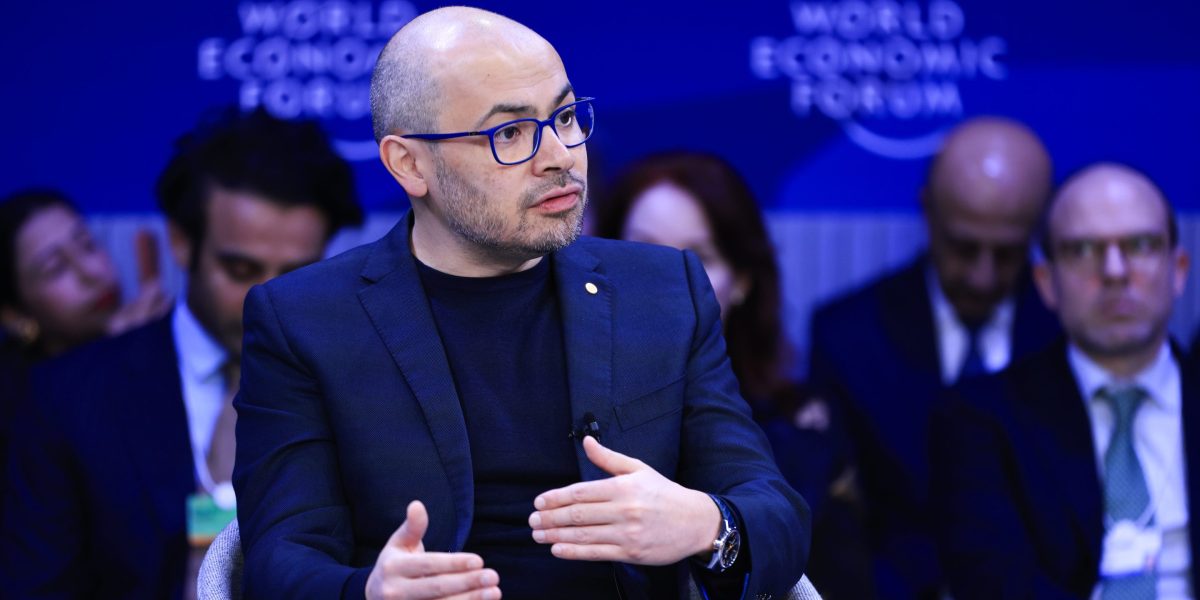
Demis Hassabis explains the 99% in-silico drug discovery pipeline that turns wet labs into validation labs "I'd argue we've already had one of those moments with AlphaFold. It's a 50 year grand challenge, protein folding and the 3D structure of proteins" "It's an incredibly important thing to know about if you want to design medicines or if you want to understand biology" "Isomorphic Labs is to build adjacent technologies in more biochemistry and chemistry space that can actually design the compounds automatically to fit and bind to the right part of the protein" "The dream is to do almost all the exploration, which is 99% of the work and the time, in silico, and then save the wet lab step just for the validation step" "We could reduce drug discovery times instead of taking an average of 10 years down to months, maybe even weeks, and perhaps even days one day" Most people still think AI biology means faster papers or better search. Demis is describing a different operating model: compute explores the chemical space, the wet lab validates, and drug discovery compresses from decades to iteration cycles. If AlphaFold was the proof that AI could read biology, Isomorphic is the bet that AI can start writing medicine. - Demis Hassabis (@demishassabis), CEO of Google DeepMind, at Sequoia AI Ascent (@sequoia)
Wes Roth
@WesRoth
Google DeepMind has dismantled the original team behind AlphaFold as it shifts its scientific strategy toward Gemini-powered systems. Most authors of the original AlphaFold papers have been reassigned over the past year to projects involving Gemini, genomics, enzyme design, and nuclear fusion. Others have moved to Alphabet’s drug-discovery company, Isomorphic Labs. Nearly a quarter of the original full-time DeepMind authors have left Google entirely, including Nobel laureate John Jumper and researchers Jonas Adler and Alexander Pritzel, who joined Anthropic. This does not mean AlphaFold is being discontinued. Its database still contains more than 200 million predicted protein structures, while AlphaFold 3 and related drug-discovery work continue through DeepMind and Isomorphic Labs.
Mgoes (bio/acc 🤖💉)
@m_goes_distance
in case you missed the longevity biotech acceleration in the first half of 2026 these signals will make you optimistic: - FDA cleared Life Biosciences' ER-100, the first cellular rejuvenation trial in human history, using partial epigenetic reprogramming - China reversed type 2 diabetes in a patient using stem-cell-derived insulin cells. the patient stopped insulin completely - peptides broke the floodgates. reta hit 30% bodyweight loss in Phase 3. 65% of patients no longer clinically obese. and 14 of 19 banned compounds came back to legal compounding - germline editing hit 100% efficiency with zero chromosomal abnormalities. genetic diseases are being engineered out of the lineage - Conception generated the first early human egg cells from stem cells. reproductive biology just became engineerable - $3.74B raised across 49 longevity biotech deals in Q1 alone, 56% ahead of Q1 2025. biotech exits hit $13.3B, the highest since 2021 - Kailera Therapeutics IPO'd at $625M, the largest biotech IPO ever - daraxonrasib nearly doubled survival in pancreatic cancer. RAS undruggable for 40 years. they drugged it. 42 second standing ovation at ASCO - Life Biosciences dosed the first human with the therapy designed to reverse cellular aging - Isomorphic Labs raised $2.1B. NewLimit raised $435M. Retro Biosciences raised at $1.8B valuation. the capital has decided - biopharma M&A hit $84B in four months. AbbVie, GSK, Gilead, Lilly all moving simultaneously we've never been more bullish if you're building on the longevity biotech infrastructure layer, we want to fund you- comment or DM bio/acc
Milk Road Stocks
@MilkRoadStocks
Eli Lilly $LLY is behaving like the next google. They're taking the cash for their legacy business (drug discovery) and are now reinvesting it into AI: Eli Lilly spent $5B building their own private data center with 1,000+ Nvidia GPUs. It's been live for about 1.5-2 years. They also built "Tune Lab" which is described as "an app store for scientists." This is where external researchers use Lilly's trained model to produce new molecules and drugs. Plus a drug discovery partnership with Google's Isomorphic Labs. Free cash flow from GLP-1s grew over 100% year-over-year to nearly $10B. They've already covered the data center cost threefold. Eli Lilly is taking drug revenue and deploying it into data centers, models and biotech partnerships. FT @WhiteCollarExit @LgDoucet.
Hiring Signal
Based on public job postings · updated monthly
Latest news
Public companies tied to Isomorphic Labs
About Isomorphic Labs
Isomorphic Labs is an AI-first drug discovery and design company spun out of Google DeepMind in 2021 and owned by Alphabet, headquartered in London. It uses AlphaFold-derived AI models, including its proprietary IsoDDE drug design engine, to predict molecular structure and design new medicines, and runs drug-discovery partnerships with Novartis, Eli Lilly and Johnson & Johnson. In May 2026 it raised a $2.1 billion Series B led by Thrive Capital, one of the largest funding rounds ever in AI drug discovery.
Isomorphic Labs on video
 47:08
47:08A quest for a cure: AI drug design | Isomorphic Labs
Google DeepMind · Feature
 2:28:14
Demis Hassabis: Future of AI | Lex Fridman Podcast #475
Lex Fridman · Interview
 1:07:27
Demis Hassabis & Paul Nurse: the future of science with AI
Nobel Prize · Talk
 16:41
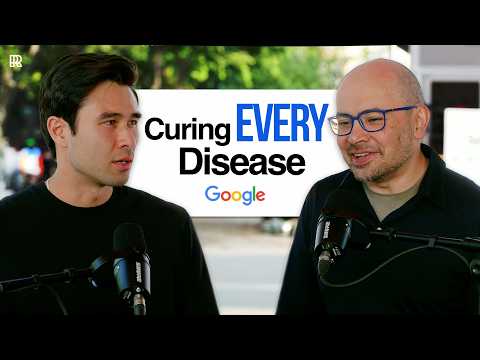
16:41Demis Hassabis on AGI by 2030, Curing Every Disease
Rowan Cheung · Interview
Founders
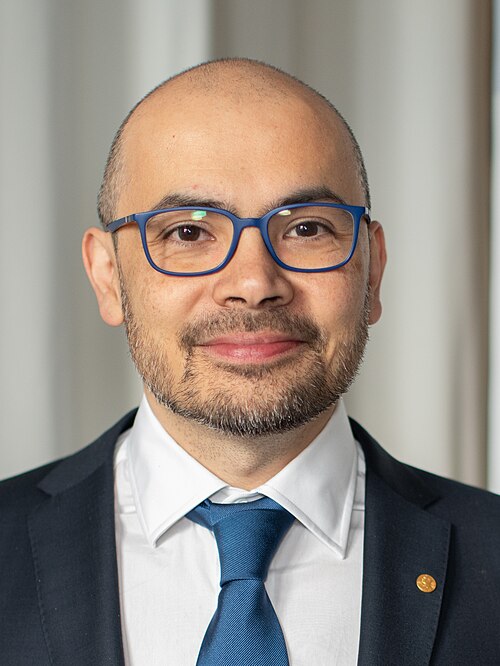
Demis Hassabis
Founder & CEO
Sir Demis Hassabis founded Isomorphic Labs in 2021 and is its CEO; he is also co-founder and CEO of Google DeepMind and shared the 2024 Nobel Prize in Chemistry for AlphaFold. Born 1976, he is a former child chess prodigy, game designer and neuroscientist.
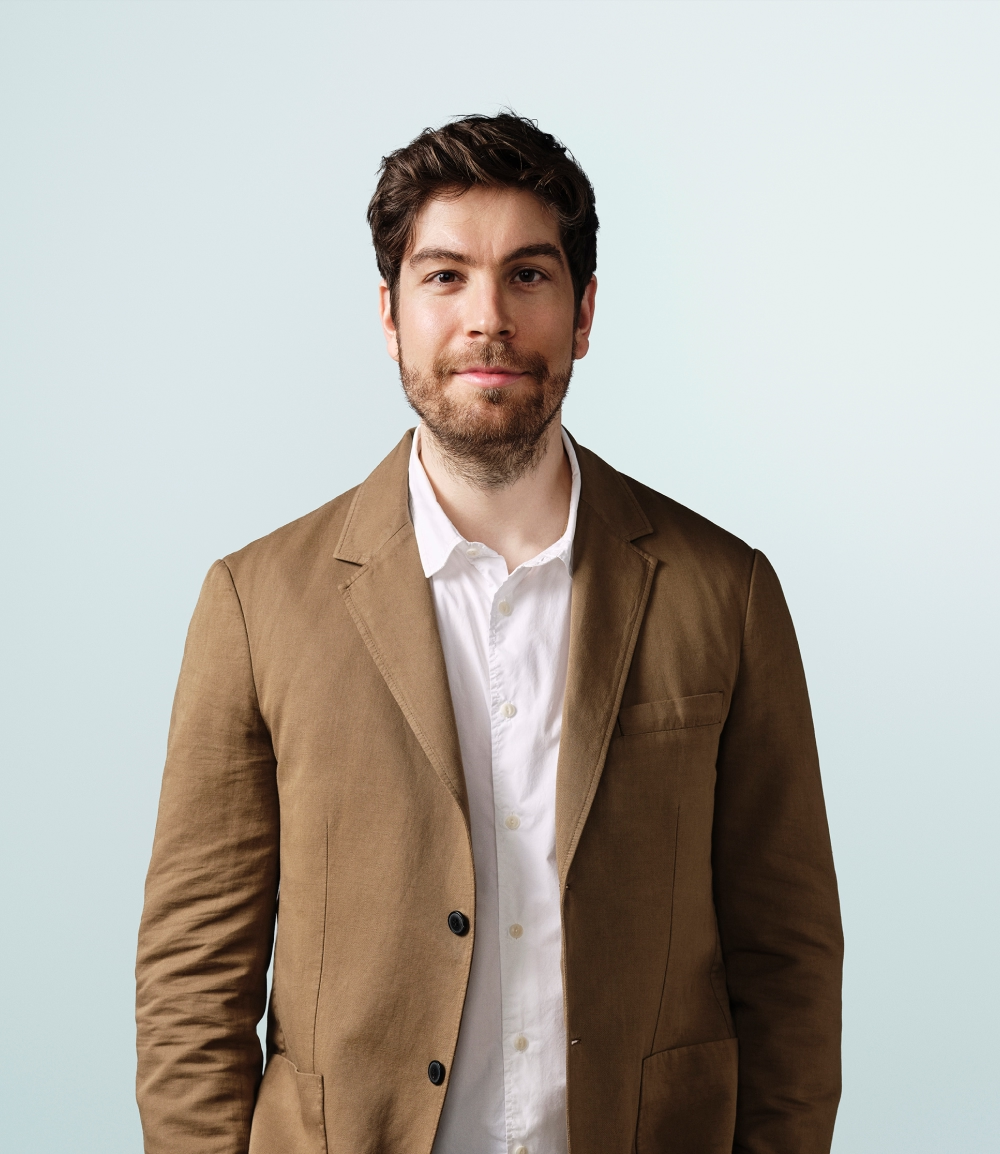
Max Jaderberg
President & Chief AI Officer
Max Jaderberg is Chief AI Officer and, from January 2026, President of Isomorphic Labs, overseeing its AI drug-design models. He previously led open-ended learning research at Google DeepMind. He joined Isomorphic in 2023 and is not a co-founder of the company.
Key leaders
Recent hires
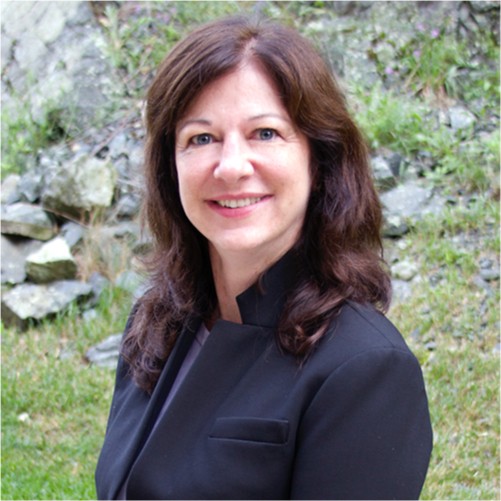
Jessica Friedman
Head of Translational Sciences
Previously at 4:59 NewCo, a 5AM Ventures Company · Greater Boston
Joined Jul 2026
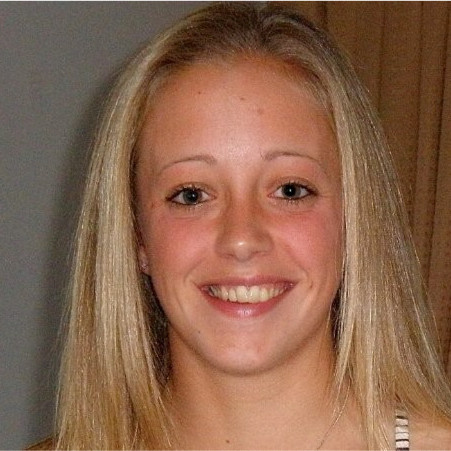
Beth Williamson PhD
Head of DMPK & QP
Previously at MSD in the UK · United Kingdom
Joined Feb 2026
Ryan Pinto
Vice President, Business Development
Previously at Schrödinger · Cambridge, Massachusetts, United States
Joined Jun 2026
Marisa Wainszelbaum
Head of Clinical Sciences
Previously at Self-employed · Cambridge, Massachusetts, United States
Joined Jun 2026
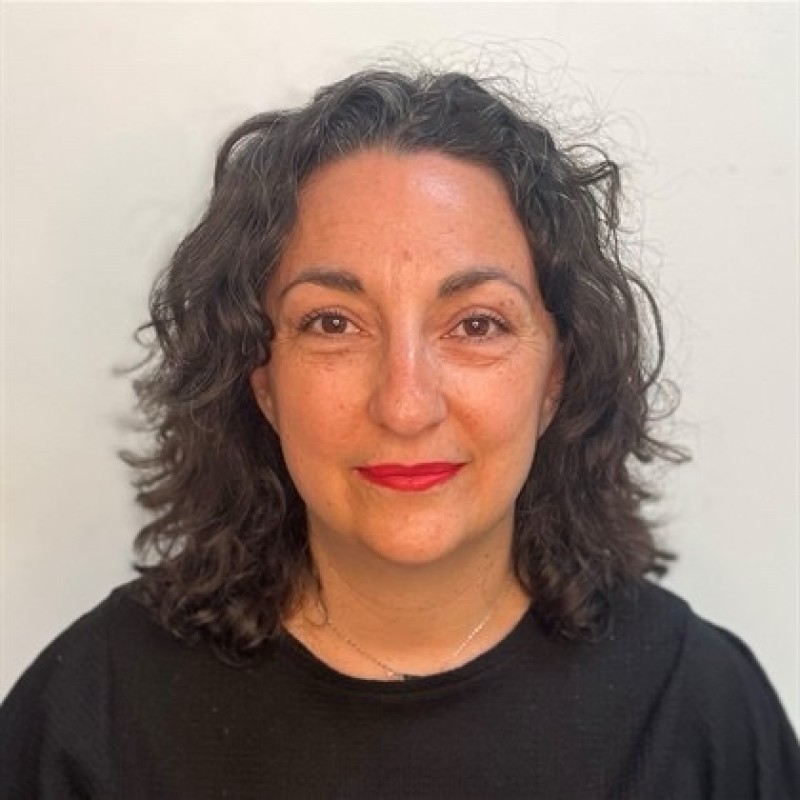
Susana Lopez Alcantara
Senior Research Investigator, Technical CRO Manager
Previously at Dompé Pharmaceutical · United Kingdom
Joined Jun 2026
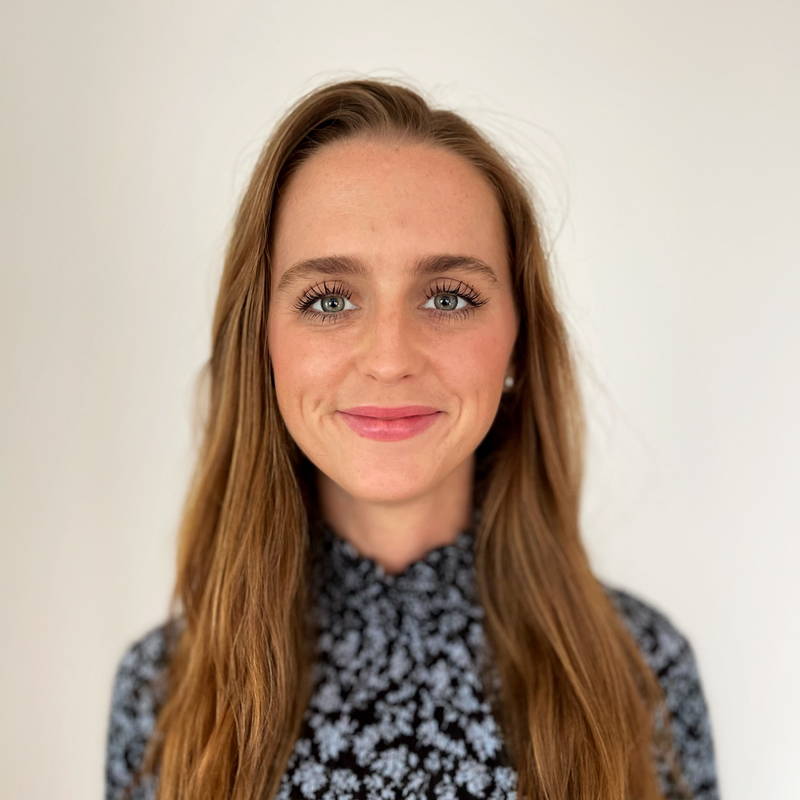
Claire Saulnier
Workplace Partner
Previously at Ensoma · United States
Joined May 2026